ALL ROADS LEAD TO ALASKA: Descending to The Lower 48.

Our direct departure from Seward was rerouted because of road closures, but this offered us a second chance drive through Denali National Park. The road from Seward to Anchorage was lined with wild flowers and kettle ponds covered with blooming lily pads. Spring had finally caught up with us and the entire drive back down to the lower 48 was bright with fresh growth and lime green leaves. Having learned our lesson from the drive up to Alaska, this time we packed the van with the freshest, best quality food we could find, which is difficult in remote Alaska, and lengthened our driving time each day. Even driving six to seven hours a day, it still took us approximately a week to reach the lower 48 from Seward.

We voted against trying the road less traveled from Alaska. We figured it was better to drive the devil we knew rather than the devil we didn’t know. With all the frost heaves, road construction, and gravel, it wasn’t until a paved straight away in Alberta that we were “kissed” by a rock, chipping our windshield. Thanks to Speedy Glass the chip was filled and we were on our way to Jasper and Banff National Parks in British Columbia. Voted the most beautiful drive in the world, we slowed our roll and relished in the natural beauty of the Ice fields Parkway. This is my happy place. After a grueling week on the road, we treated ourselves to a few days at the Emerald Lake Lodge and their romance package of bed, breakfast, and gourmet dinners of Rocky Mountain Cuisine.

In every state and country service was limited due to lack of staffing. Along with help wanted signs, we spotted promises of higher wages, benefits, and even signing bonuses. Lodges, restaurants, and stores can’t keep up with the demand of all the tourists because they can’t get people to work. I didn’t realize how limited and expensive the food selection in Alaska was until we stopped at a grocery outside Jasper National Park. I felt like Robin Williams in Moscow on the Hudson and all the amazing food options available.

After several days of pampering in paradise, we traversed the back roads toward Coeur d’Alene, Idaho. Northern Idaho is stunning. Unfortunately, our golf game at Coeur d’Alene Golf Resort and it’s iconic floating green was rained out, so we settled for a drive and walk along the beautiful lake and ended the day with the best meal we had in several weeks at the rooftop restaurant in the resort. At Beverly’s Restaurant we started with the Penn Cove mussels in a white wine saffron broth and chorizo, followed by lobster risotto and perfectly seared sea scallops, while sipping a huckleberry martini. Oh my. I’d like to spend more time in the area in the future. It’s just beautiful. The idealic little towns scattered along the Snake River on our drive south through Idaho, made us wish we had brought a fishing road. While we walked and lunched along the river, many locals and tourists alike pulled off just to fish a quite hole.

Lake Coeur d’Alene, Canola fields

We reluctantly left beautiful Idaho and with the warmer weather on our side, we opted to avoid the I-15 through Utah’s busy cities and settled in Park City. After a quick drive up the mountains outside Salt Lake City, the narrow hills gave way to meadows, reservoirs, red earth and scrubby pines lined with skiing, mountain biking, and off roading trails. Houses and condos in many phases of build are popping up all over this mountain town, only minutes away from the bigger cities – a common them we’ve witnessed in all states and provinces. While new builds are abundant, the light pollution is still low, allowing for the stars to blaze brightly blanketing the evening sky.

Ski lifts over Park City, Utah downtown

After 9,423 total miles on the road, we landed safely at our desert home in Las Vegas. Where it seems is the end of the rainbow.

JUST THE FACTS

Mileage – 9,423. Miles per gallon – 22. Average cost for gas $6.00

Time: 2 months total. 2 weeks each way to Alaska and 4 weeks spent in Alaska.

Food: We usually eat breakfast and lunch made from the van on the road or between excursions and treat ourselves to a local dinner from the “best” restaurant in the area.

Nights: We prefer to spend our nights outside of cities in National or State parks. They’re quieter and more peaceful than RV parks. Harvest Host overnight parking locations are also great because they usually pair with our favorite outings like golf courses, wineries, breweries, museums, but they were limited in and around Alaska. Even though we set out to stay at a hotel every Sunday, we again found ourselves more comfortable in our little van and opted to forego hauling our stuff and the dog in for just one or two nights.

If I were to do it again…I would take our van up the California, Oregon, and Washington Coast and park/store it in Seattle or Vancouver. Then Board a cruise along the inside passage to the Kenai Peninsula, where I would rent a camper van or a SUV and tour the area for 2-3 weeks, then fly back to Seattle and drive another byway home. A second option would be to ferry from Bellingham with our van from port to port to the Kenai Peninsula and do the same back, but this would take planning way in advance because the car/RV ferries book up early.

All Roads Lead to Alaska

Where the Mountains and Ice Meet the Ocean – Denali National Park and Kenai Peninsula

Once we arrived to Alaska proper, we hit the ground running. Enough with the driving, now was time to do some exploring. Denali National park, a short 3-hour drive south of Fairbanks, is a wildlife mecca. In our campsite, on our hikes, and touring the tundra and permafrost drunk forests we spotted four of the big five game (dal sheep, moose, caribou, and grizzly) that call Denali home. The elusive wolf stayed hidden. As with many national parks, the rangers gave talks and demonstrations. Unique to Alaska was the demonstration of the rangers sled dogs, which is their mode of transportation during the snowy winters.

A few days later we strolled around the cute rustic town of Talkeetna for lunch alfresco at Talkeetna Alaskan Lodge, overlooking Denali, the tallest mountain in North America, standing at ever 20,000 feet. After lunch we traversed Turnagain Arm in Anchorage where we witnessed the mile long low tide, revealing muddy flats for hours until the moon decided to release the ocean to return home. Beyond Anchorage we entered the Kenai Penninsula displaying all its rough and rugged beauty. These are the scenes that you picture when you think of Alaska-hanging glaciers, meadows of wild flowers, glacier fed lakes, streams, and swans floating on ponds dotted with blooming lily pads.

Along the drive south to Homer Spit and the lands end, snow capped mountains and smoking volcanoes kept us company across Cook Inlet. Sign after sign spotted during the three hour drive south was either about fishing charters or fish processing. Once we reached Homer, the halibut capital of the world, and spotted anglers reeling in fish after fish, meeting their limit in minutes, we understood the signs. Homer was a delight. A quant fishing village frequented by locals an tourists like ourselves. We strolled the shops and dined on fresh halibut overlooking Kachemak Bay.

We thought we’d try our luck at fishing one sunny afternoon, but our private guided trip down the Kasilof river for King Salmon ended as a peaceful float for six hours. Neither us nor the neighboring bald eagles caught a thing. Did someone bring a banana with them? The guide told us in two weeks the river will be so full of salmon they will be jumping in the boats.

Making our way to the east side of Kenai Peninsula, the road led out to Seward, a fjord surrounded by tall mountains and glaciers. One of the carving tidewater glaciers in the Kenai Peninsula National Park and Preserve was a highlight of our sea cruise, in addition to Orca killer whales, Stellar sea lions, puffins, and sea otters. The European-style restaurant, The Cookery, met our expectations as an evening topper while visiting this town with a Norwegian feel to it. Before returning to the Anchorage area, we also toured the Sea-life Center and hiked the interior portion of the Park and Preserve.

At the three week mark, we decided to bid Alaska adieu. While we might have been too early in some aspects of our trip, the weather was perfect, and I think we left just as the state bird (mosquitoes) was beginning to swarm. With our bellies full of fresh seafood, like the seasonal whales, we began our migration south to the sunny coast of California and later the warm tropical breezes of Hawaii.

All Roads Lead to Alaska…

The Road of Gas and Grain

Anaconda, Montana, located about 15 miles west of the I 15 was our next stop on day four of our trip to Alaska. The unusually cold temperatures and icy road conditions slowed our pace to almost a crawl. The locals said spring has been delayed by two weeks. The weather and road conditions with snow in the forecast became a deciding factor in rerouting our trip through scenic Idaho and the Canadian Rockies to the lower plains east of the Rockies and sticking to the major highways in lower elevations.

The Old Works Golf Course, a Harvest Host location, allowed us to park overnight for free with a round of golf. The Jack Nicklaus designed course meandered along a small stream overlooking the old copper mine and largest free-standing chimney stack in the world. The course’s landscape was decorated with unique geology of the area and artifacts from the original mine, dating back to the town’s copper boom days. After a (45-degrees) chilly 9 holes, dodging the “rock chucks” (marmots), we had dinner at a local’s recommended O’Bellas for Italian American fare, including made to order breadsticks and homemade cannolis.

Sticking to the I 15 northbound, we took a break in Great Falls to walk the paved trail along the Missouri River. The swarming May Flies quickly changed our plans from a walk along the river to a visit to the Lewis and Clark Interpretive Center where we learned of the explorers’ difficulties portaging the falls during their expedition down the Missouri River while seeking a continuous route to the Pacific Ocean.

With views of cutthroat jumping after the May Flies and anglers wadding the icy waters, we left the Center in our review mirror as we continued on to Desert Claim, a grain farm and our Harvest Host stoping spot in Conrad, Montana. I relaxed overlooking the blonde fields while Dan toured the 4500 acres with owner, Ken. There, this city slicker was schooled on how to plant and harvest a wheat farm and what equipment to use when. Gas was $5.49 and the lower plains temperatures were 64 degrees.

Pronghorn Antelope lined the back farm road as we drove back to the I 15 and continued north toward the Canadian boarder. After a quick stop into the office to share our passport and COVID vaccine information, we drove on to High River Brewery, where we sampled a flight of their IPA specialties and played trivia with the locals. After buying a few goodies from the brew house, our Harvest Host dry camping spot for the evening, we sat for authentic and tasty Indian food in town which was recommended by the owner. Gas in Canada is $8.00 per gallon.

The next two days were spent in the big cities of Calgary and Edmonton. We took advantage of the resources of a large town and had a routine oil change and system check on the van. While in the shop, we got about 10,000 steps in walking the largest mall in North America, The West Edmonton Mall. The last night in Edmonton was game seven of the Stanley Cup finals and support was shown everywhere with Oilers’ flags and jerseys proudly flown. Given two thumbs up by the the Mercedes technician, we continued north in Highway 43, Canada’s version of the I 15, mesmerized by grain field after grain field, our sights only interrupted by an occasional oil well or pipeline.

The final leg of this journey ended at Dawson Creek, Mile 0, the start of the Alaska Highway. Scenic roads and byways tend to traverse through resort communities, national or state parks, and destination towns, with excursions and offerings for a true glamping experience. Whereas Interstates offer speed and dry road conditions. One of the “Mile Zero City” signs says, “Where the Adventure Begins.” I’m looking forward to that.

Birdies and Bourbon

Peru, Indiana was our first night out of Michigan, and we played 9-holes at a rustic golf course and Harvest Host. I call it rustic because this course displayed more tall blonde grasses and natural flora than the last one we visited, which had artfully arranged groupings of plantings and flowers. Deep among the backroads, only country sounds kept us company for the two hours we played. For dinner we ventured into the downtown area and tried a 5-star rated restaurant, which I rarely see, by TripAdvisor (Voodoo Public House). The décor and atmosphere were artsy with a hint of Venice Beach funk, but the food reflected the chef’s true culinary talents by the sophisticated flavor profiles and knife skills in this elevated pub food. Dan and I shared a taco variety of such complex flavors, including roast duck and banh mi.

The next morning, we met for breakfast with a few old work friends of Dan’s, who have retired to the Noblesville area. After catching up over eggs and pancakes, we hit the road down to Kentucky, and by mid-day we were on a trolley touring Louisville-the perfect rainy-day activity. On the tour we learned of the diverse history and cultural influences woven into the fabric of Louisville creating a unique pattern for this small city.

From Louisville we followed the Blue Grass Parkway, tracing the Kentucky Bourbon Trail. The flat farmlands of the north have morphed into rolling blue grass hills the closer we move toward the Appalachian Mountains, and pines have been replaced with oaks. With the slow drawl and everything either smothered or fried, we know we are officially in the south. Our first night in Kentucky we stayed in Frankfort, ate along the Kentucky River at Bourbon on Main and listened to some live country music.

Clockwise: Breakfast with Ira, Dave, me, Dan, Cathy, Haley; trolley tour of Louisville, “if it ain’t fried, it ain’t food”; Kentucky River

Bourbon production 101 at Buffalo Trace Distillery was on the agenda for the next day where we learned the science of making, aging, and storing their caramel colored spirits; bourbon is only made in the USA. Small country towns are the anchor between the distilleries and black-fenced horse farms along the back roads of Northern Kentucky. We lunched in Bardstown at Mammy’s kitchen where Dan and I shared a Hot Brown-a rich open-faced melted sandwich created in Kentucky.

Our last night was spent in Lexington at a golf resort & spa, yet another Harvest Host dry camping spot. Because the resort was kind enough to let us park with views of the 4th green for the night, I won’t mention the name, but the course was a disappointment. This wasn’t a charming country course we’ve become accustomed to, but a large grass park and trees. Pristine greens and fairways were replaced with pocked ones, and any sounds of nature were drowned out by the semis whizzing down the freeway alongside the back nine. We did take full advantage of the clubhouse facilities before departing for the Ohio River Byway, making our way to West Virginia.

Lake Michigan Circle Tour

Sand dunes, light houses, harbors, cozy little towns, and fruit farms describes some of the sights seen on our Lake Michigan Circle Tour. We’ve replaced the mountain peaks for thick forests stretching down to the water’s edge. We left Manistique, cut north to Munising Bay, and jetted out to picture rocks along the National Lakeshore on Lake Superior, the largest fresh water lake in the world. These sandstone cliffs over 500 million years old have been stained blues, greens, yellows, reds, and golds by daily trailings of mineral rich spring water, creating permanent colored designs on the rocks. Some say water is life giving, others say, it’s destructive. To me, water is nature’s medium, staining, etching, and carving the land into one-of-a-kind masterpieces for us all to view in wonder.

After lunch we drove east to Sault Ste. Marie to observe the Soo Locks. These aquatic engineering marvels allow ships up to 1,000 feet long to descend twenty-one feet from Lake Superior down to Lake Heron without having to portage their loads. Once we arrived through the visitor’s gates, Dan made a beeline to the viewing area and flew up the two floors to see a boat in the locks. The boat left and we walked the length of the locks, but once he saw a new, even larger ship enter the locks area, we booked it back for a front row view. This huge freighter from Lake Superior was held in the locks, dropped twenty-one feet with the water, and then released out the Lake Huron side.

After we viewed the locks in action, we walked across the street and had dinner at the Locks View Restaurant where we could see ships come and go from the second-floor dining room while we ate Michigan white fish beer battered and fried with chips. I think Dan wishes we had done a boat tour of the locks instead of the rocks. This engineering marvel seems to bring the kid out in everyone.

Painted Rocks, Lake Superior; Soo Locks, Sault Ste. Marie (ship before and after being raised from lower Lake Heron to enter the higher level of Lake Superior); my new mosquito hat.

A short forty-five-minute drive from Sault St. Marie is the ferry dock for Mackinac Island. Early the next day, we parked in St. Ignace, boarded the ferry, and within fifteen minutes landed on the carless island in the middle of Deep Blue. Stepping off the boat, I half expected to see Mickey Mouse or Donald Duck waddling down the cobblestones, because the downtown area has that Main Street USA of Disneyland feel to it. The streets were filled with excited tourists, peddling bikes or riding in horse-drawn carriages-the only two forms of transportation used to circle the island. The cloudless sky was reflected in the crystal water and the mild weather provided a welcome pause in the humidity we picked up east of the Dakotas. We shopped, strolled, and ate our way around the tiny island, admiring the summer homes of the wealthy mainlanders. After a water-front seafood dinner, we boarded the late evening ferry for our last night in the UP.

Top Left: Walking Macinac Island, mile 0 of 8 miles; crystal blue lake water; sunset dinner over lake

Charlevoix and the lower west coast of Michigan was our destination on Tuesday. An upscale lake and marina community, allowing for the privileged set to enjoy the calm bays in their large speed boats or yachts, Charlevoix reminded me of the many Southern California beach communities (Palos Verdes, Dana Point, Marina Del Rey) that I grew up around. On our initial stroll of the downtown area, we happened upon the Harbor Master’s office in Bridge Park, and with a simple signature, they checked out beach cruisers to us for the day. With map in hand we coasted Shoreline Drive and the Mushroom Houses of the area. These are gnome-looking homes, some with thatch roofs, designed and built of original stones from the area. Only twenty minutes south of Charlevoix we were back in the country and parked in the middle of a fruit orchard by mid-day relaxing on Friske Farm and Market. After buying everything cherry, we settled in for a quiet afternoon and evening on their farm.

Bottom Left: Mackinac Bridge, biking around Charlevoix, Mushroom house of Charlevoix, chilling out at Friske Farm for the evening.

Up the next morning and following the country road, byway 31, we passed one farm with attached market after another, only broken every few miles by an inlet or bay offering every on-water activity available. Our destination on this last evening in West Michigan, along the Lake is not an upscale or must-see destination, but Shelby the location of a Harvest Host golf course and our fish boil dinner. Between the bucket list locales, we enjoy veering off the beaten path to stay at some Harvest Host destinations. They usually take us to non-touristy parts of the states where we can get a real feel for the area.  Our favorites have become the farms with the multitude of edible goodies and the golf, of course. Today’s golf course (Oceana Golf Club) looked like a page out of Country Living with cherry orchards stretching alongside the greens and thoughtfully arranged floral landscaping.

We had enough time for 9-holes before our short drive to Cherry Point Farms for a traditional Norwegian fish boil, only available on Lake Michigan. Served family style we dined in the farm’s garden on long white tables with locals of the area. A thirty-gallon cauldron was set ablaze, flash boiling large baskets of white fish, potatoes, and onions. The spectacle was exciting and worth the trip. What a great way to end our last night in West Michigan. Tomorrow we will stop in Holland, MI for lunch and continue on to Indiana.

Clockwise from top: Cherry Point Farm Fish Boil; Sues, Barb, Chuck, John, and other locals who displayed pure Michigan hospitality by inviting us to dine with them at their table during the traditional Norwegian Fish Boil; sunset over dunes by Sable Point; Holland, MI

Breakfast with the Presidents

As we relax in our van behind Naked Winery South Dakota and Sick-N-Twisted Brewing Company, our Harvest Host spot for the evening, I can hear the faint baritone rumbling of a Harley engine in the street way out left and the rambling stream on my right-the true essence of our first day in South Dakota. We are in the Black Hills National Forest during the last weekend of Sturgis 2019, and it’s all about the bikes.

We traded Buffalo, Wy and the rolling hills of sage brush for undulating grassy plains just outside South Dakota. Highway 14 enters the Black Hills NF through Spearfish Canyon. The black-green ponderosa pines and bright green dogwood trees keep us company on this peaceful drive, occasionally teased with a glimmer off Spearfish Creek. Have we driven onto a Hollywood western filmset? A turn in the road toward Deadwood, SD seems to confirm it so.

We are using a new app called Just Ahead (not as good as Gypsy) for our tour through South Dakota. A suggested stop at Cheyanne Crossing for an Indian Taco has temporarily secured its place on my phone. We are missing good Mexican food or something with some spice. This Native American version hit the spot.

Two- and three-wheel motor bikes are swarming all over the Black Hills and not just at the Sturgis Rally. We ended our first day playing Jenga, and sampling beer and wine at the tasting room. We learned from Kim Livingston about IBUs, the bitterness rating assigned to IPAs. I prefer ratings in the 15-point range, like their doppleblock, where some people like Dipa Imperial IPAs with a rating of 102.7. We had dinner and I purchased a couple hard ginger beers for the road before retiring streamside for the evening. Thanks, Kim, for a fun way to end our day.

Indian taco at Cheyenne Crossing, Deadwood/Sturgis 2019, Naked Winery SD & Sick-N-Twisted Brewery

Sunrise came early the next morning, bringing with it low-lying fog and the sweet butterscotch aroma from the bark of the Ponderosa Pines. We opted for the sunrise viewing of Mount Rushmore. There is a 9pm lighting viewing each evening, but we knew less people would be at the monument early, and we were right; we had the entire park to ourselves. The early morning sun casted a golden glow on the granite faces. With each turn on the Presidential Trail we viewed every angle of the human-made marvel that is, Mount Rushmore.

On our drive south we glimpsed the work-in-progress, Crazy Horse, and stopped at Wind Cave National Park to feel the tunnel entrance, inhale/exhale in response to the barometric pressure outside. The second highlight of the day, though, was a visit to The Mammoth Site in Hot Springs. This is an in-situ exhibit of more than sixty mammoth fossils and other extinct animals over twenty thousand years old found by accident when a real estate developer was bulldozing an unsightly mound in the area. For a very reasonable fee we were given a guided tour of the in-progress excavation. This was well worth the drive and cleverly presented, comparative to the costly touristy options around.

We followed the prairie and rolling hills of the wildlife loop around Custer State Park on the drive back to our campsite at Center Lake. The short eleven-mile drive remined me of a mini version of Yellowstone NP. I later read that many of the animals we spotted today were indeed transplants from Yellowstone and Glacier NP, purposely relocated to create an animal preserve. Halfway through the drive we witnessed a bison stampede of about sixty bison running for cover under the thick canopy and within ten minutes a freak hail storm swept through the area, dropping the temperature more than twenty degrees; another ten minutes and the skies were dry.

Mount Rushmore at sunrise, The Mammoth site in Hot Springs, SD, Cuter State Park Wildlife Loop

Day three started with a drive along Ironwood Highway, offering framed vistas of Mount Rushmore through the Granite Rock Tunnels. Our final destination was Sylvan Lake for the hiking trail to Black Elk Peak, a must do for any hikers out there. This 7-mile roundtrip trail took us to the highest summit between The Pyrenees Mountains in France and the Rocky Mountains of Colorado. We were rewarded with a 360-degree view of the Black Hills, Wyoming, Montana, and Nebraska. We lunched at Sylvan Lake Lodge and lounged by the lake shore for the rest of the afternoon.

Ironwood Highway, Sylvan Lake, Black Elk Peak

We left the Sioux Lakota Black Hills through Rapid City with the deer and wild turkeys coming to the roadside to say their good byes, and quickly toured the loop of the Badlands National Park and its many impressive overlooks. The sedimental pinnacles are layered sand castles in a sea of prairie grass lapping in the wind against their bases. I’m glad we had a chance to witness these unusual formations because like the glaciers, they dissolve a little more each year. From the Badlands NP we were pushed by the wind east on the I-90 for the Wild Oak Golf Club in Mitchell, SD, our Harvest Host spot for the evening. After 18-holes tomorrow morning, we have an appointment in Souix Falls, SD, the only Mercedes service center in hundreds of miles, for a routine service on our Sprinter. After Souix Falls we still haven’t decided if we are traveling North around the Great Lakes or South.

Badlands NP and Corn Palace, SD

Hanging Glaciers to A Supervolcano

The Columbia Golf Trail, a long green valley with access points to the British Columbia and Alberta National Parks, is studded with golf courses every few miles. We chose Copper Point Golf Resort because it’s a Harvest Host dry camping spot along the Trail and allowed us a full day of golf and relaxation at an exquisitely groomed course just below the Radium Hot Springs’ entrance of the Kootenay National Park. We had originally thought about staying 2 or even 3 days along the trail, but other than golf, which we had our fill of for a few days, there wasn’t much more to do. Most of the restaurants were pub food, and the two we tried were not very good, plus, the hiking paled in comparison to the National Parks; so, the next day, we decided to move on.

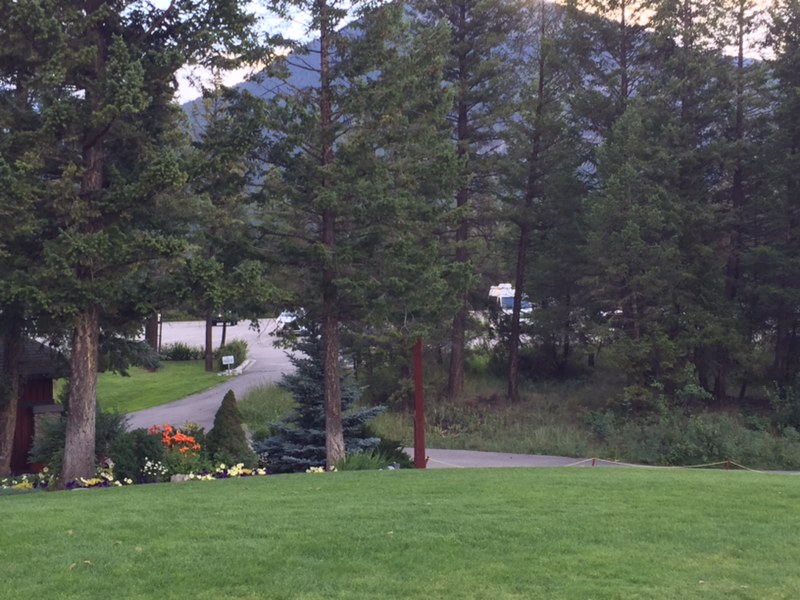
Copper Point Golf Course. First Tee Box

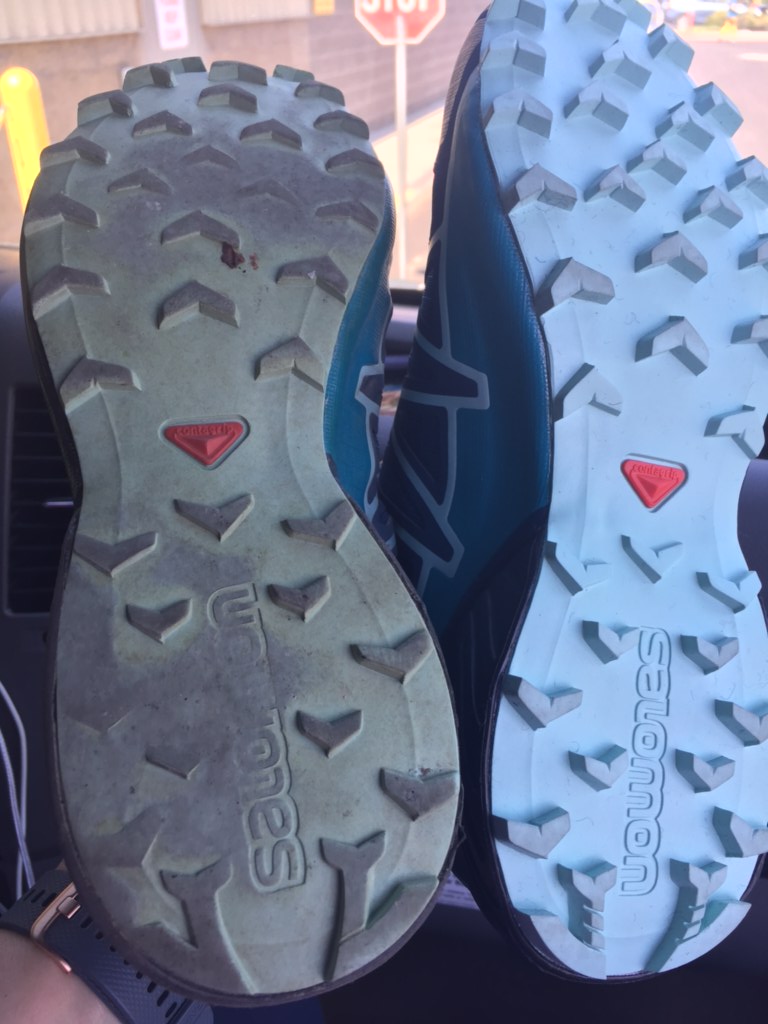
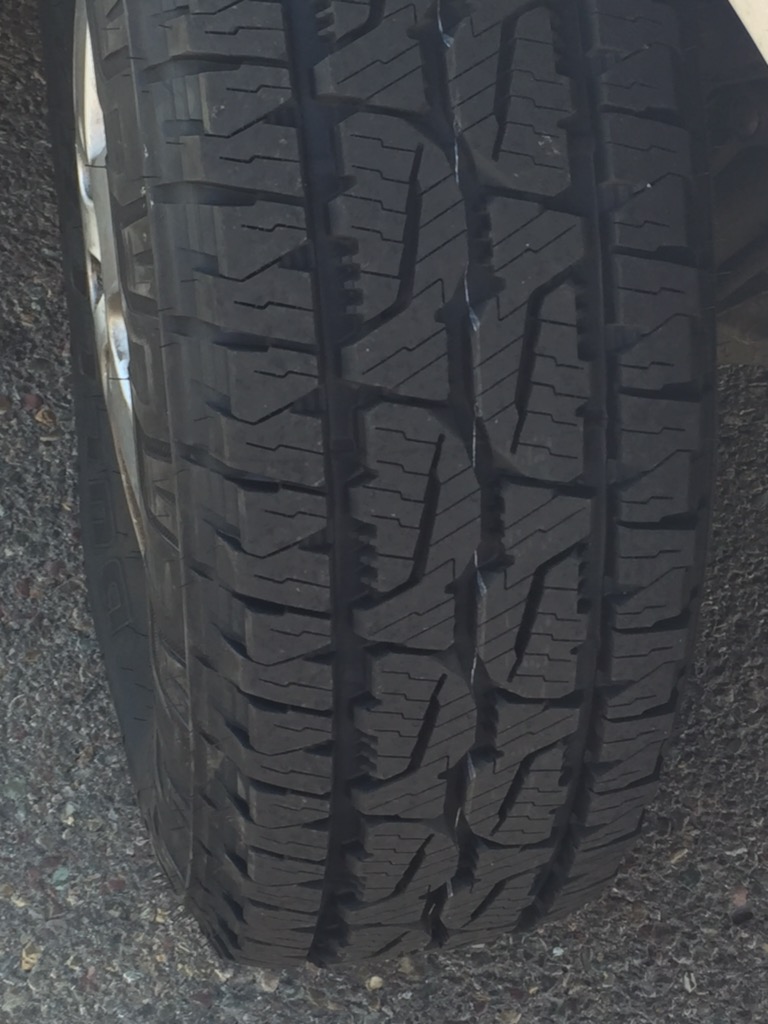
Three hours south of Radium Hot Springs and we were back in Whitefish, Montana, USA, with better food and $2.00/gallon cheaper gas (Average price of diesel $2.89/gal). Retreading seemed to be the theme for us in Kalispell, just south of Whitefish. I needed a new pair of hiking shoes and our van needed four new tires. I guess thousands of pounds of weight and miles of wear was too much for the factory installed treads. Maneuvering in the 90-degree heat of Kalispell urged us to rethink our original plan to cut through the middle of Montana toward Mount Rushmore. During our trip we have accumulated a few extra days here and there. With that extra time, and, in true FreeWheeling style, we decided to detour for a few days to the cooler Yellowstone & Grand Tetons National Parks on our way to Mount Rushmore.

Wore my shoes right to the nubs
All-weather tires ready for anything

On the East side of Glacier National Park, we picked up Scenic Byway 89 and cruised this lightly traveled route, jamming to our favorite tunes on Spotify, from Glacier to the North Entrance of Yellowstone, averaging 65 mph the entire 10-hour journey. Since I’m talking figures, I’ll throw out there that our average gas mileage has been 22 mpg. Halfway down the 89 we camped overnight near a creek in the cooler Lewis and Clark National Forest.

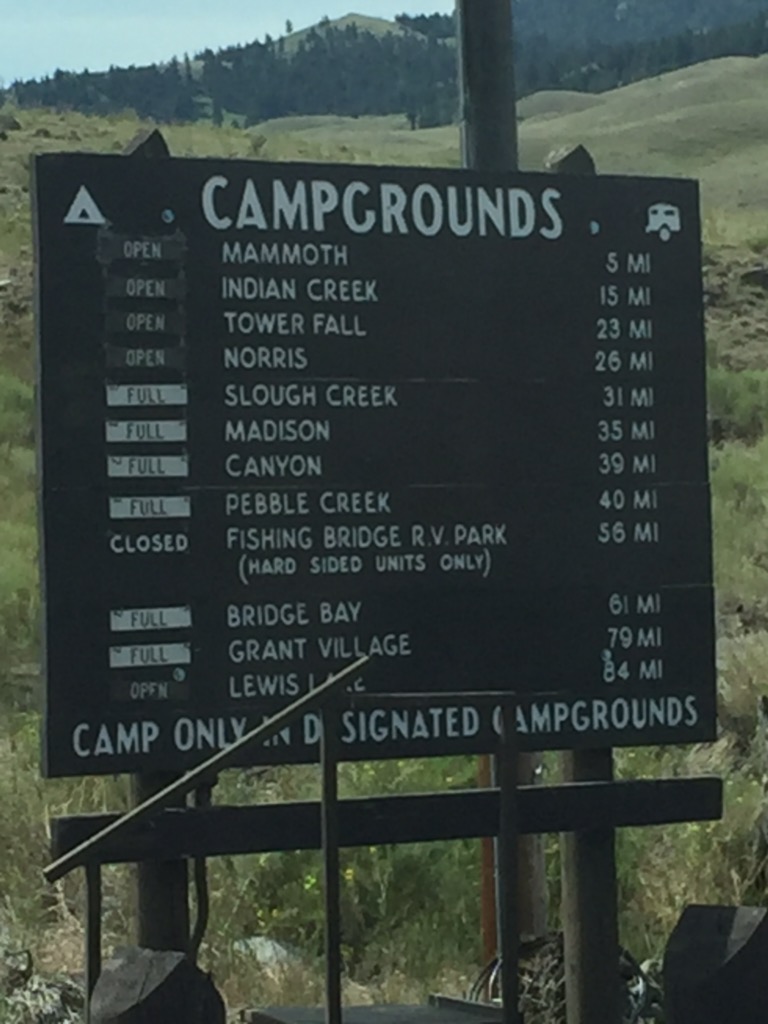
Without any reservations, trying to camp in Yellowstone during prime time would typically be risky, but what’s an adventure without a little risk, right? We had Gypsy Guide touring along the way as we traversed the hordes of visitors on the east side of the Park to the south end in search of a rumored camping spot. At 3:30 we looped the Lewis Lake campground and snagged the last site. Too small for most RVs, only a small van like ours or a car camper could fit the spot, which we guess was the reason it was still available. More than a few times our small size has worked in our favor because we are able to squeeze into any car-size space. We love being pocket size.

In the time that I’ve written this blog post, during the quiet hours of the evening, a storm has whipped in and out of our area, bringing with it the southing pitter-patter of drops on our tin rooftop. I write as Dan reads and the rain lulls us into a still slumber. Good night, for tomorrow we explore.

A Breath of Fresh Air

July 16, 2019

Someone on our friends’ list asked when I was going to write a new blog post. The past couple days haven’t been much to write about. We finally escaped the triple digit heat of Las Vegas, Arizona, and Utah when we reached the 6,000 ft level of Sun Valley, Idaho – a welcome reprieve.

First stop Area 51. Just kidding. Alien Jerky Baker, NV

Yesterday was a long road-travel day. A couple hours outside of Las Vegas we stopped in Mesquite, NV to play 9-holes at Coyote Willows Golf Course. Although, stretching our muscles felt good, I was a puddle by the ninth hole. We were both happy to have our little home on wheels at the end of the play to freshen up before moving into Utah.

A few hours after lunch we decided to check out a potential Harvests Hosts spot off the I-15, south of Provo, Utah. Harvests Hosts is a boondocking/dry parking service for members with Vans or RVs. For a small annual fee we are permitted to park overnight at a variety of wineries, farms, breweries, golf courses, and small museums across the country.

Harvest Host parking south of Provo, off I-15
A walk through cherry orchard

This morning we were up early and lit out just after sunrise. Within two hours we had crossed into Idaho, flanked by black lava rock, and cruising up the Sawtooth Scenic Byway (US-93). Curious about another Harvest Host farm that was only a couple miles off the Byway, we detoured to Kraay’s Market & Garden where we were warmly greeted by the small farms’ staff and given permission to take a self-guided tour and pick our our own organic vegetables. We shelved our mini-fridge with several salad fixings next to the fresh fruits we bought yesterday.

Armed with my sheers and knife, we picked green beans, peppery arugula, and radish
We needed a vine ripened beef-steak tomato to go with our arugula

The lower valley farmland rolled into blanketed green hills and the Alpine village of Sun Valley. Reminiscent of our old weekend cabin in Big Bear Lake, we immediately felt at home in this cute pocketed ski resort. Sun Valley Lodge will be our last stop for the day. We have reservations at The Ram Restaurant at the Lodge and plan to open our reserve bottle of wine given to us by our van’s previous owner, Bob Simpson, and the owner of Whalebone Vineyard in Paso Robles. Thanks Bob!

Sun Valley Lodge